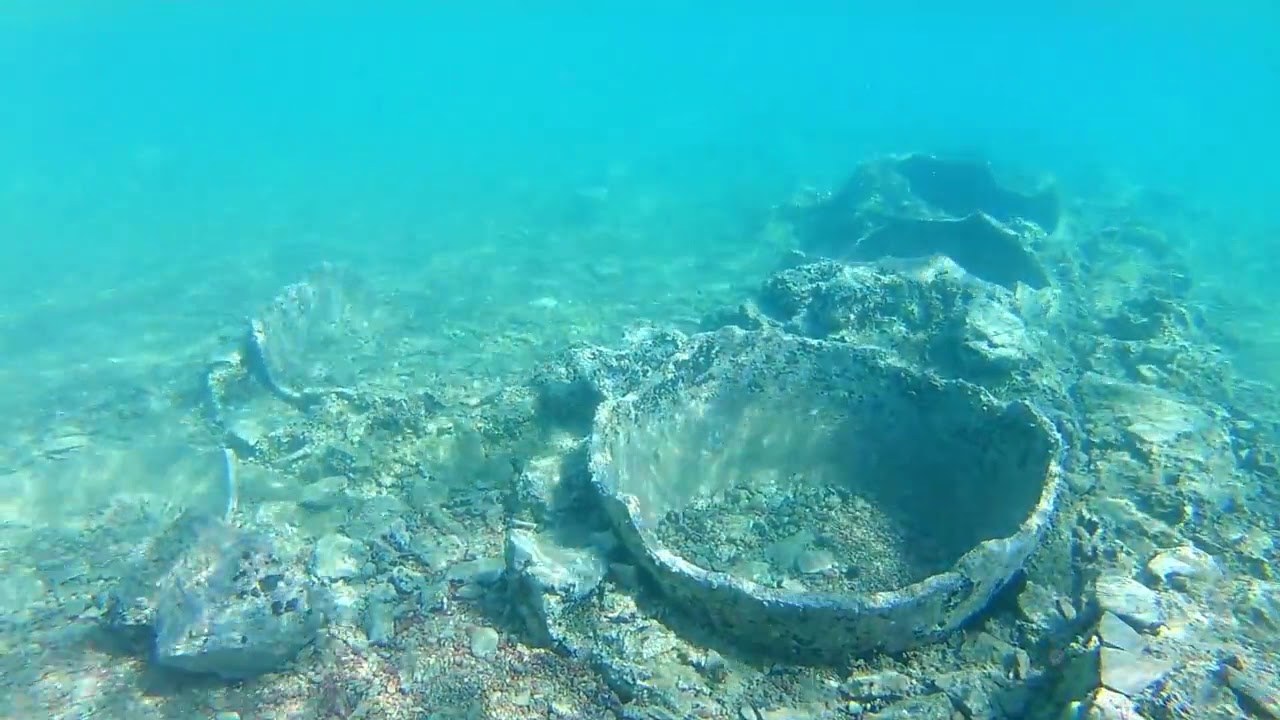
Some archaeological sites are explored on foot. This one required a mask and snorkel. I found the below aerial picture online.
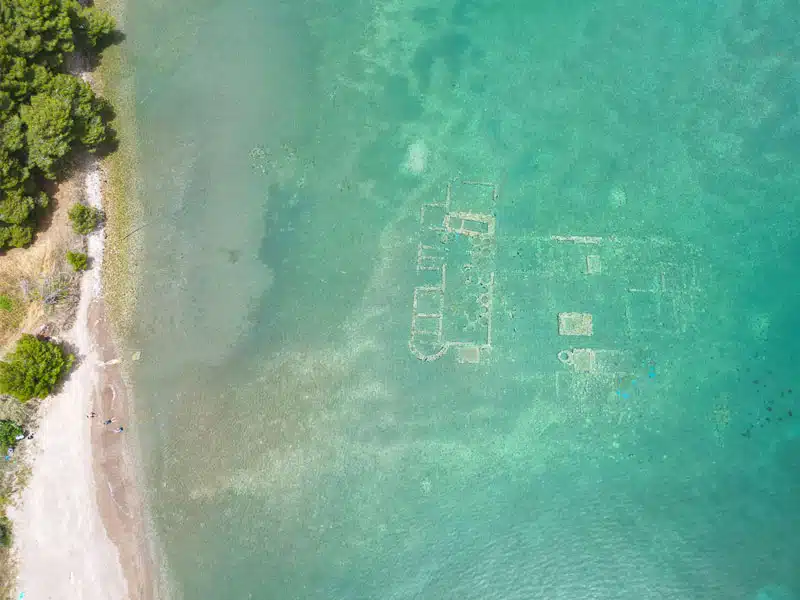
Our destination was the Sunken City of Ancient Epidaurus, where the remains of a Roman-era settlement lie just a few metres beneath the surface. Believed to date back nearly 2,000 years, sections of ancient walls, building foundations, pottery, and roads can still be seen underwater, making it one of the more unusual snorkeling spots we’ve visited.
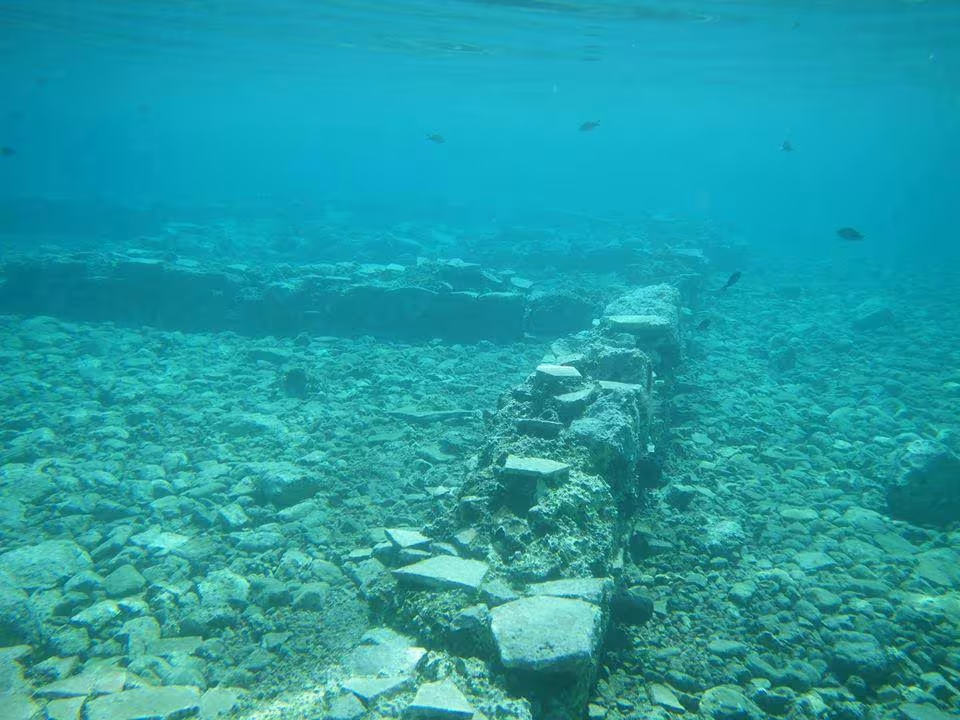
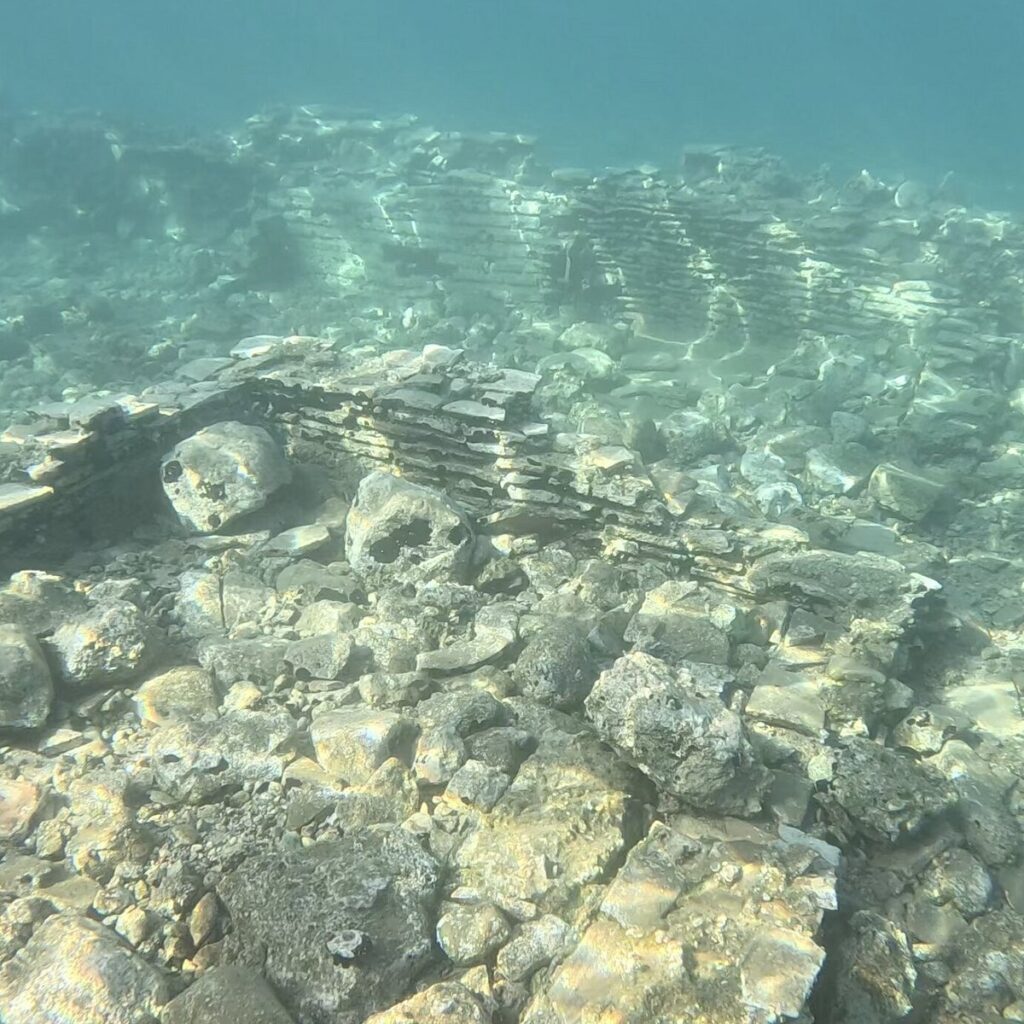
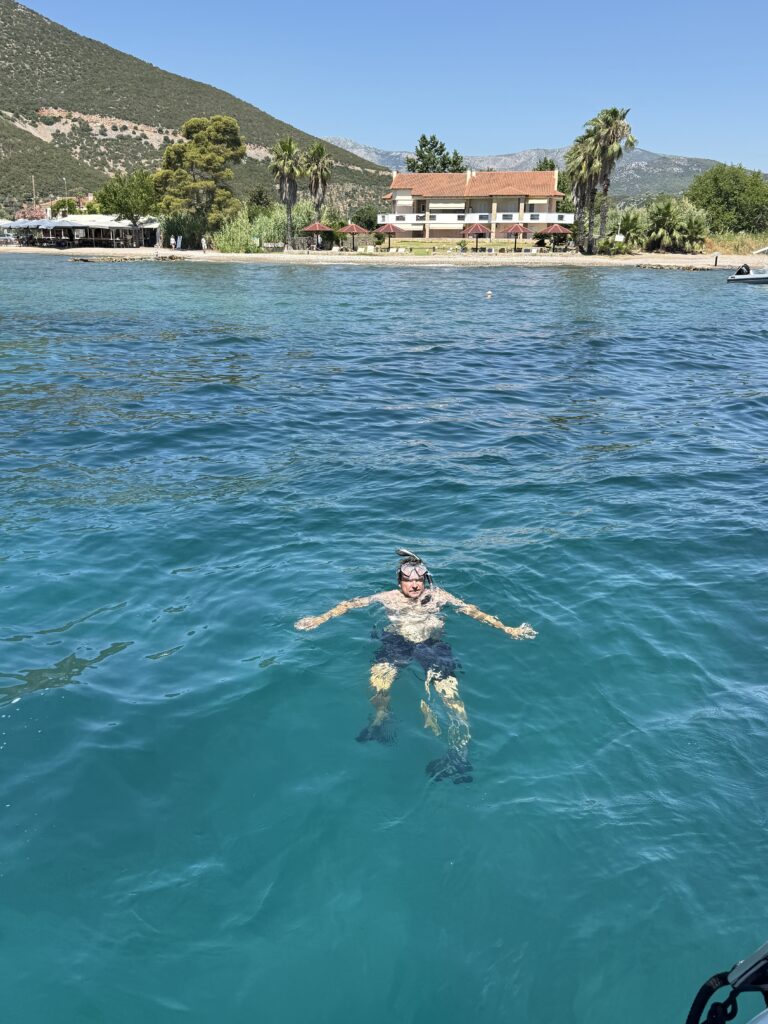
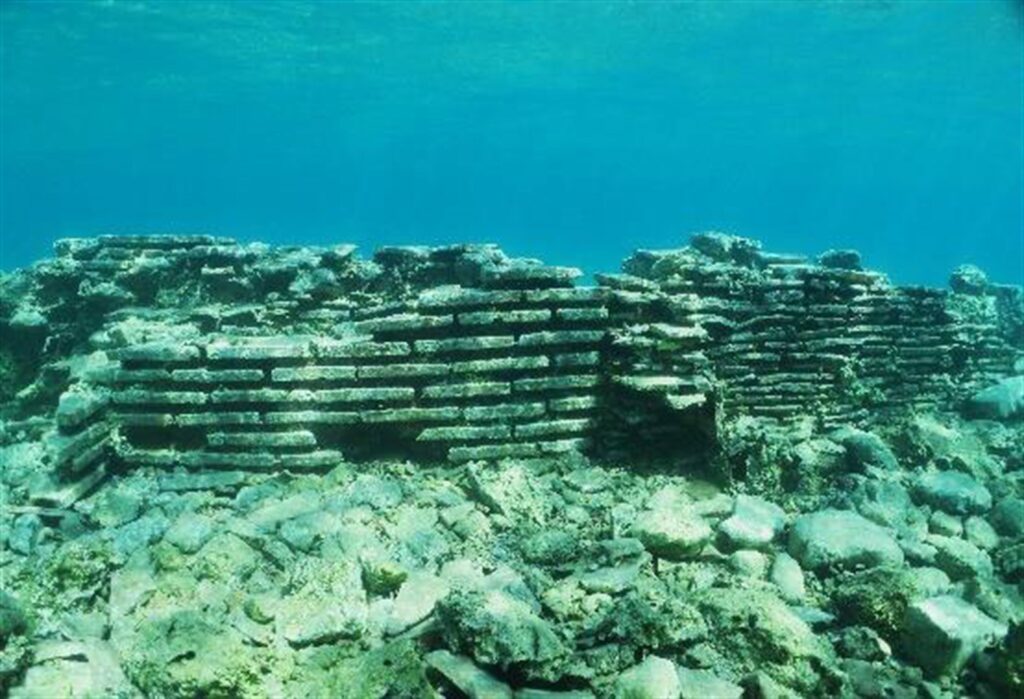
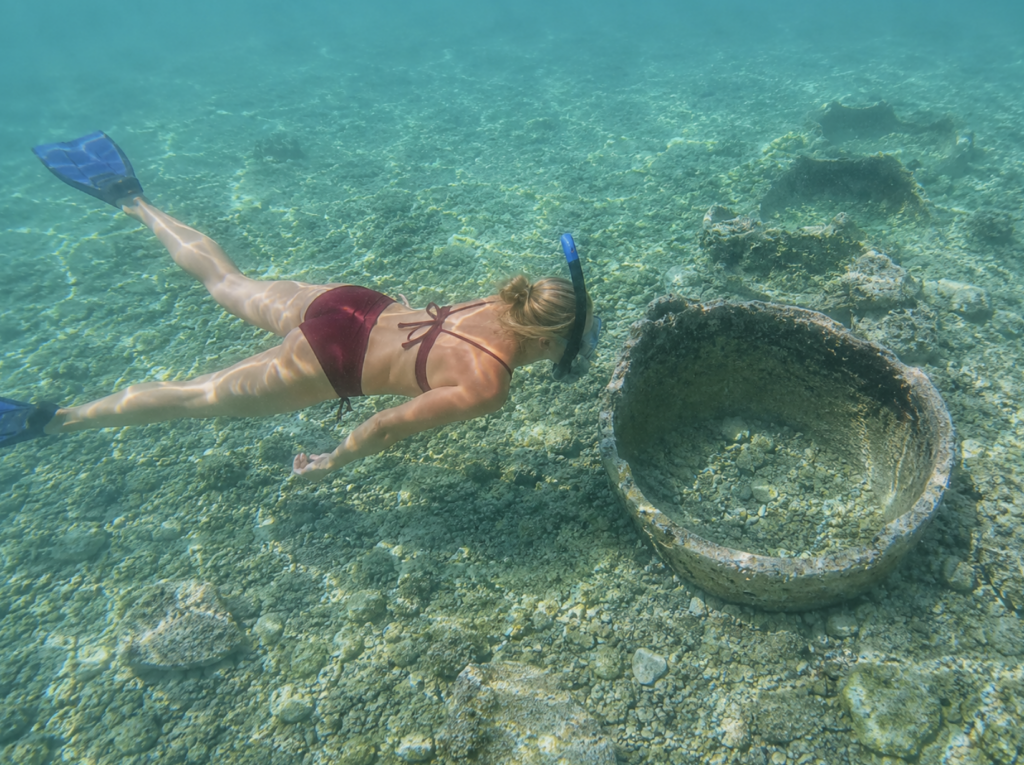
The water wasn’t quite the crystal-clear blue we’d become accustomed to along the Ionian coast, but it was still fascinating gliding over history while imagining what this bustling seaside settlement must have looked like centuries ago. Even better, we finally spotted something besides tiny guppies while snorkeling: schools of salema porgy and two-banded seabream darted between the ruins.
That evening we tucked into nearby Epidaurus Bay, where one thing became immediately obvious…Summer has well and truly arrived in Greece. Temps have been peaking in the mid 90s (32-34 C), so not quite the heatwave that Britain and France are experiencing right now, but once the sailing (and hence wind) stops, it does feel pretty hot!
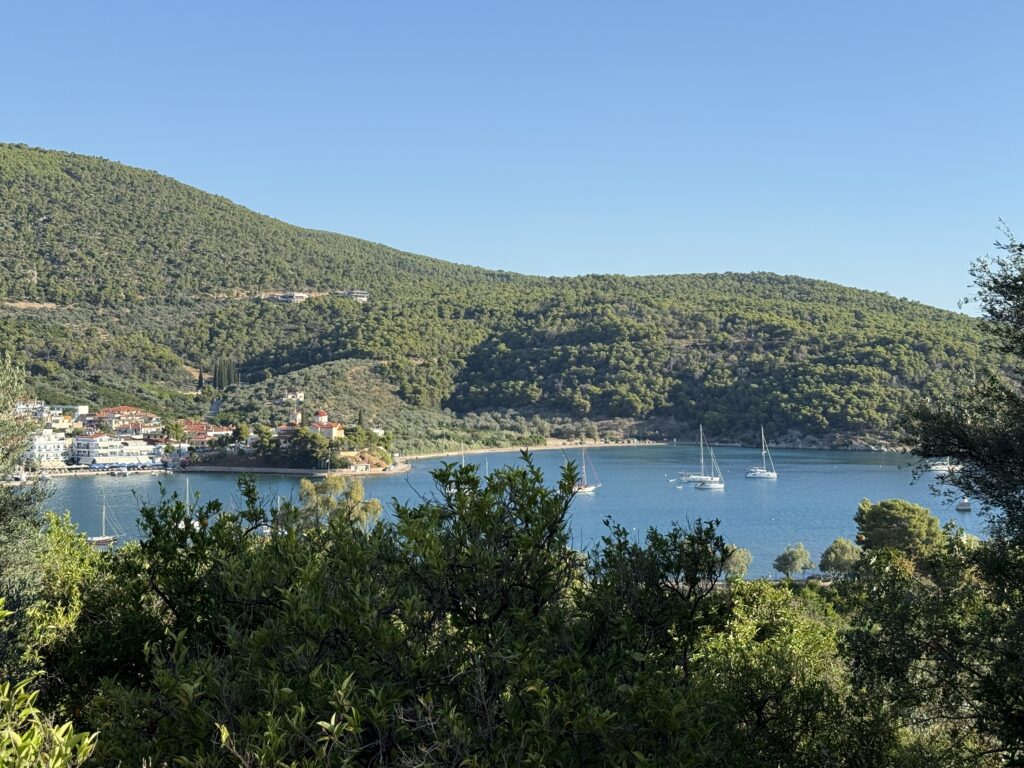
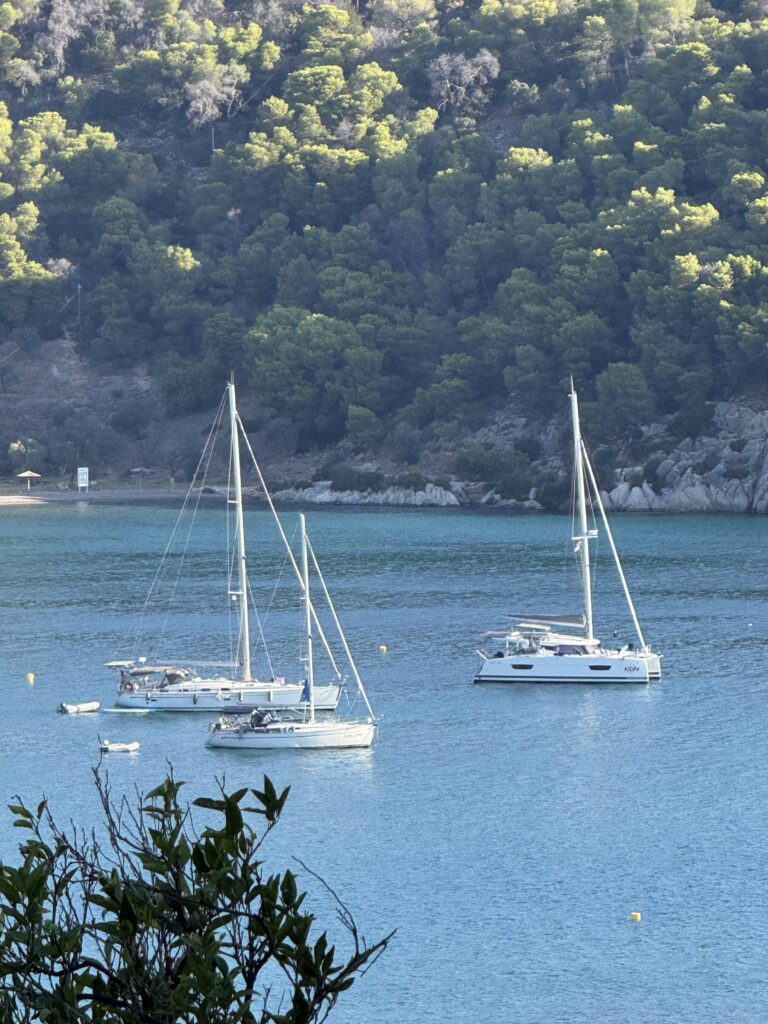
And with the start of summer in Europe, we are seeing more and more boats out on the water! Private yachts and charter boats filled the anchorage, making it important to keep an eye on where everyone was dropping their anchors. Boats don’t stay fixed in one place when anchored, rather they swing (sometimes a full 360 degrees) with changes in wind and current. As a general rule, boats will all swing together, but an experienced sailor knows that monohulls don’t always swing the same way as catamarans. Also, if two anchors or chains become crossed, one boat can accidentally lift the other’s anchor when departing, creating a situation that’s stressful for everyone involved.
Unfortunately, not all skippers chartering boats are experienced enough to consider such matters, or maybe they just figure their insurance will cover them for any damages?!? Yesterday we watched one 38-foot monohull motor straight through the clearly marked swimming area before attempting to use a swim buoy as a mooring ball. Let’s just say there were a few raised eyebrows around the anchorage!
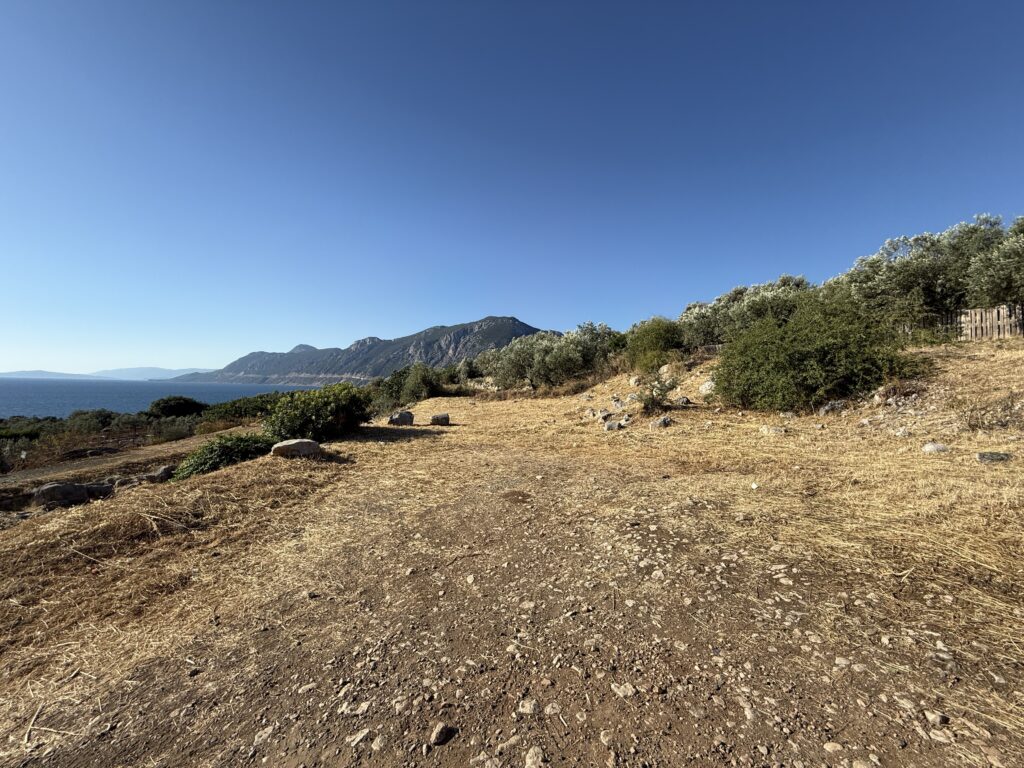
The following morning we were up early for a short hike up to the Ancient Theatre of Epidaurus. The trail wound through peaceful olive groves. Interesting fact I learned this summer – maybe you already know this!? Olives are naturally far too bitter to eat straight from the tree and must first be cured in brine or salt before becoming the olives one eats.


The theatre itself was quite interesting. Built in the 4th century BC, it is considered one of the finest preserved ancient theatres in the world, famous for its extraordinary acoustics. Better still, it hasn’t simply become a museum piece. Every summer it comes alive once again during the Athens and Epidaurus Festival, hosting modern theatrical performances in the very same seats occupied more than two thousand years ago by the Ancient Greeks.
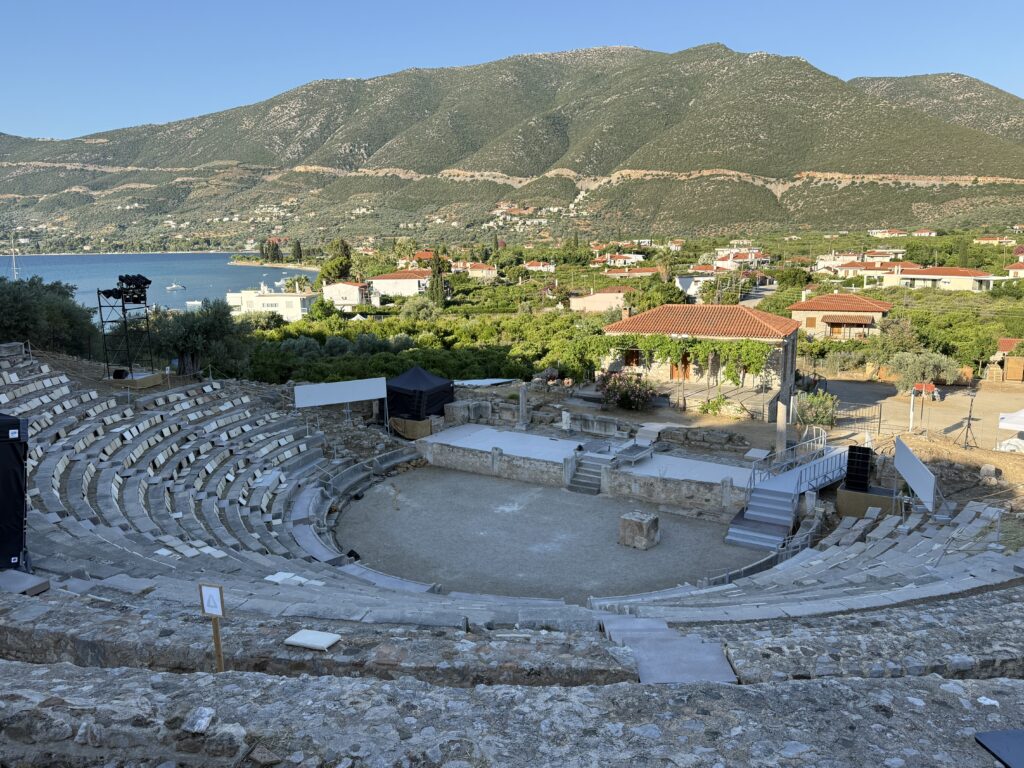
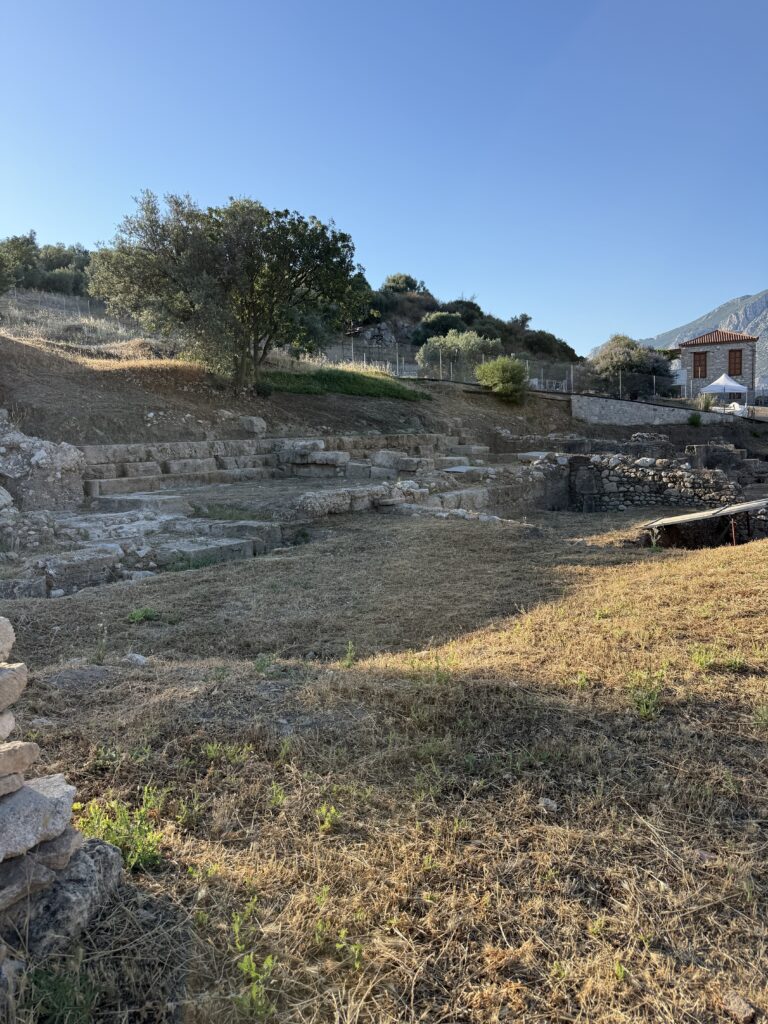
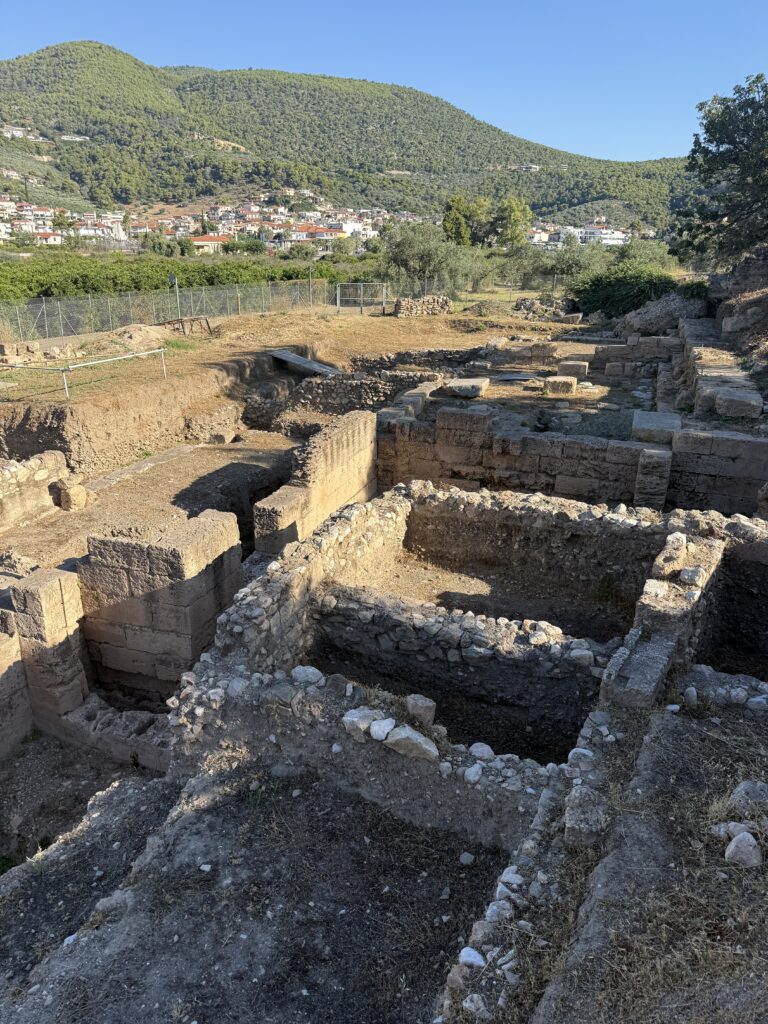
The surrounding ruins required a little more imagination, but that’s often part of the fun. Wandering through the remains of an ancient city, it’s hard not to wonder what daily life looked like all those centuries ago.