Our Mediterranean voyage may be the star of this summer; however, our short detour to Berlin gave us a few days that were just as unforgettable – an intense, emotional, and inspiring interlude that reminded us why travel is so powerful.
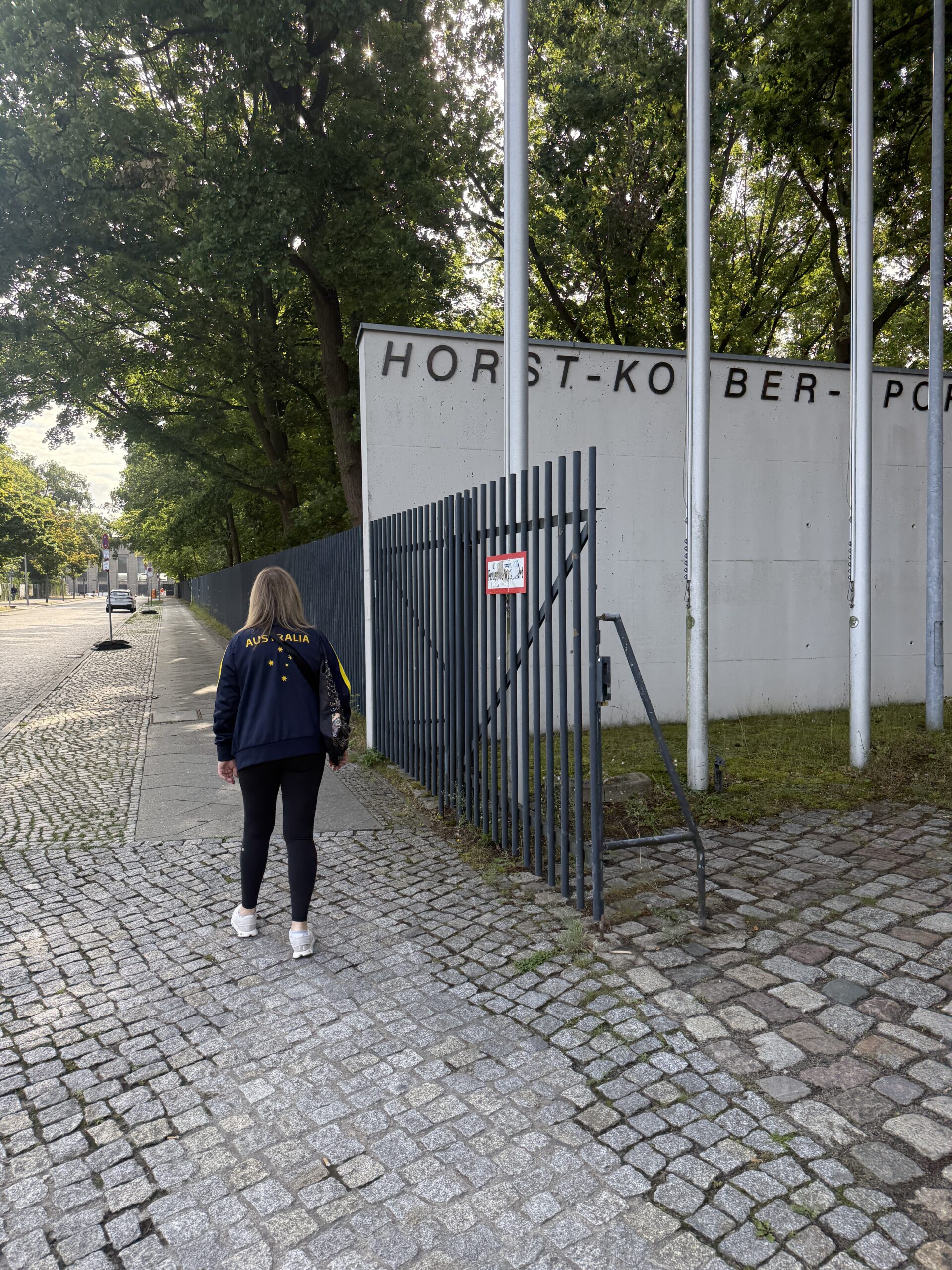
We flew in for a whirlwind 3-day visit to support Australia’s Women’s Volleyball Uniroos at the World University Games – and of course, to cheer on our girl, Emily ❤️. We hadn’t seen her since graduation and won’t again until the end of October, so this moment together was priceless. Watching her do what she loves most – playing volleyball – on the world stage was a thrill. The team didn’t get the results they had hoped for (with only one week of training together beforehand and a mostly unfamiliar lineup – Em had only played with four on the team before). Still, they fought hard, learned quickly, and showed the heart of true competitors. Read more about Emily’s journey in this feature by Volleyball Australia.
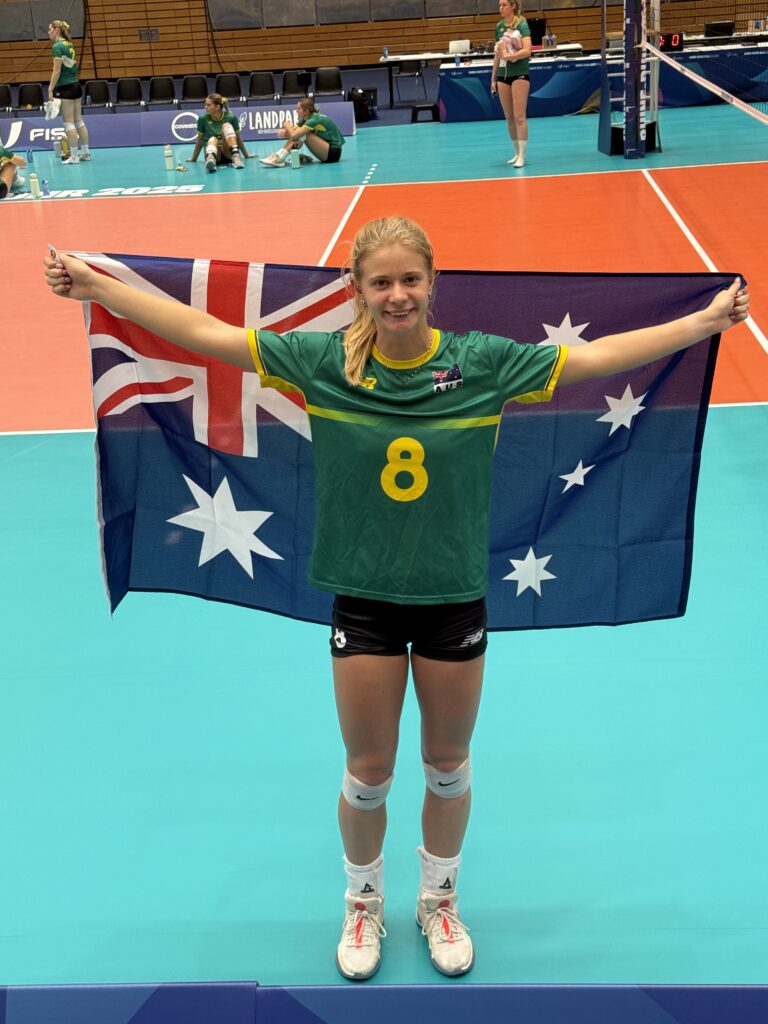
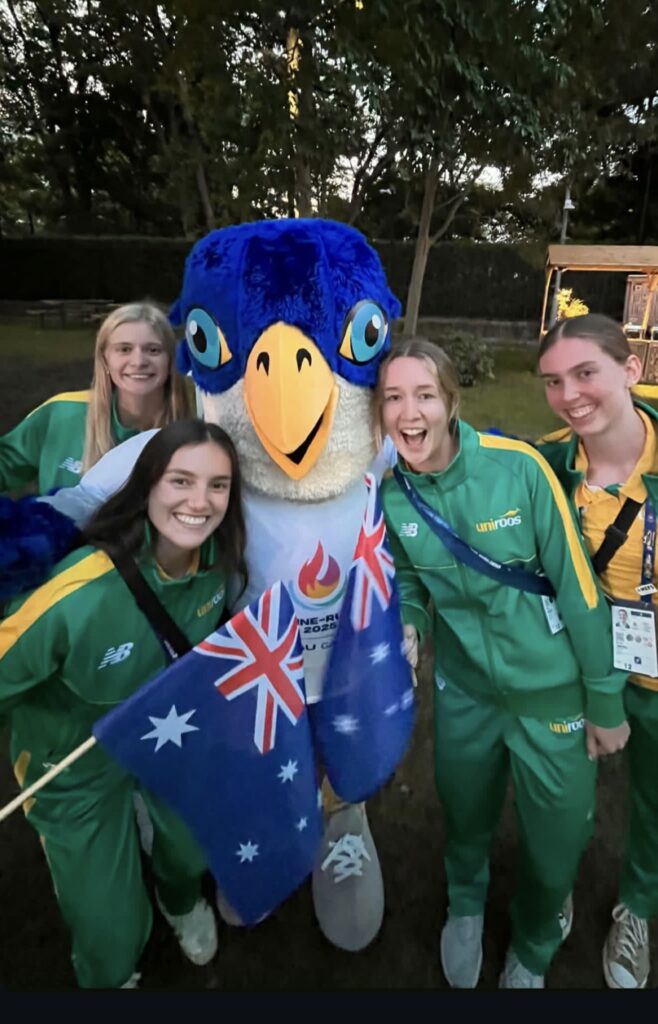
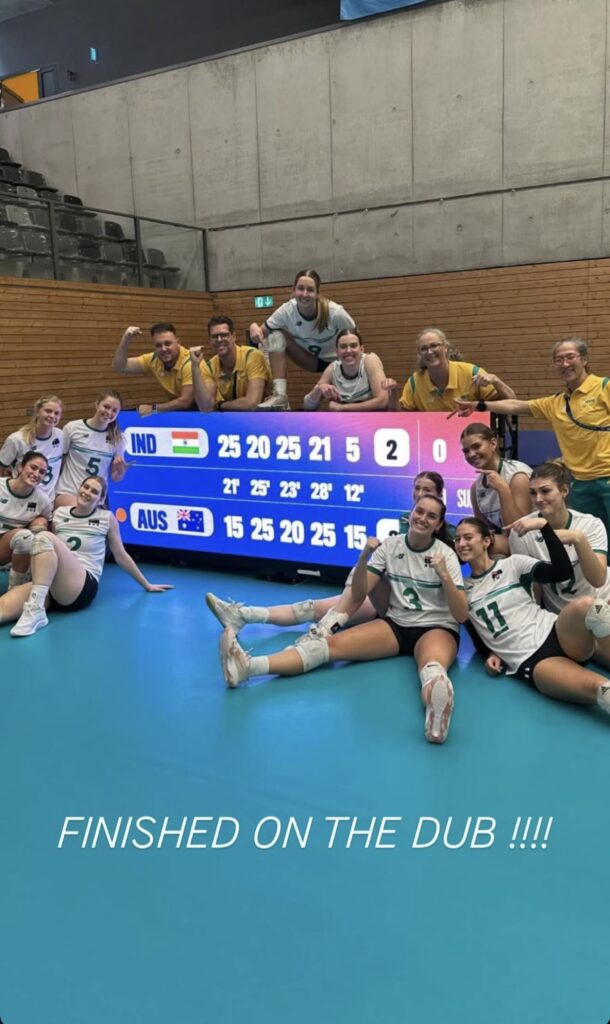
A bonus of the trip was connecting with a few fellow Volleyroo parents: Sarah, Pete & Michele. Between games, we explored Berlin’s culinary side: schnitzel, curry sausage, apple strudel, and more than a few excellent German beers. We missed having Paul, Linda & Ian along – but fingers crossed we’ll see them in Hawaii when beach season kicks off!
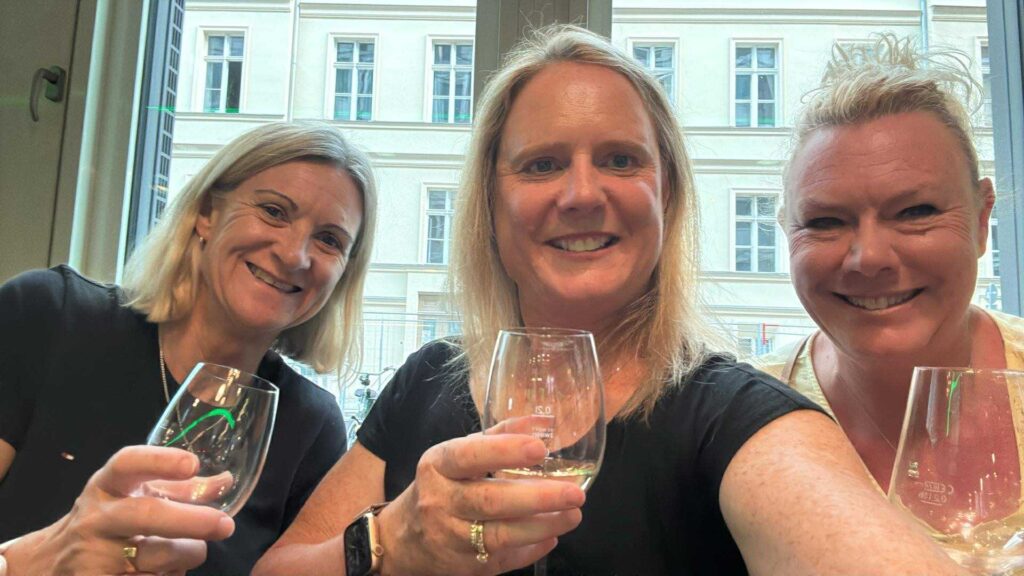
And then there was the city itself. This was our first time in Berlin – and it truly captivated us. A mix of grit and grandeur, Berlin breathes history. We walked over 23,000 steps a day, and still only scratched the surface.
A few moments from those long walks – often accompanied by a steady drizzle – deserve more than a passing mention (listed in order of our visits):
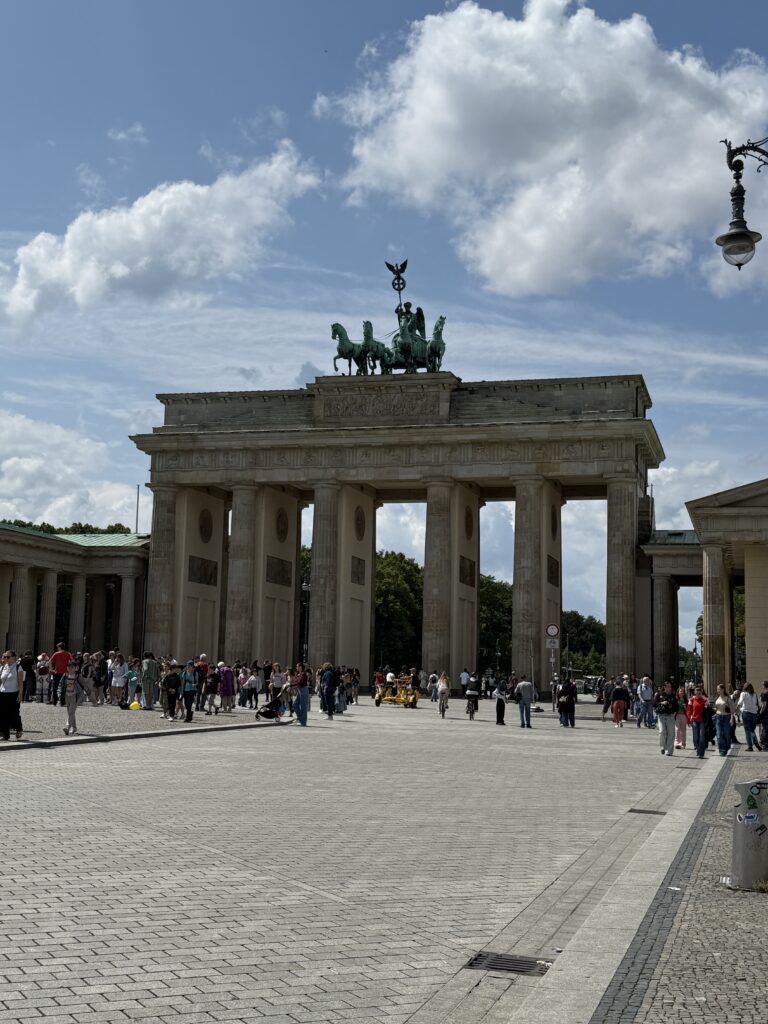
- Brandenburg Gate: One of Berlin’s most iconic landmarks, the Gate once stood in the “death strip” or no-man’s land between the inner wall (on the East Berlin side) and the outer wall (facing West Berlin) during the Cold War, but now symbolizes German unity and resilience.
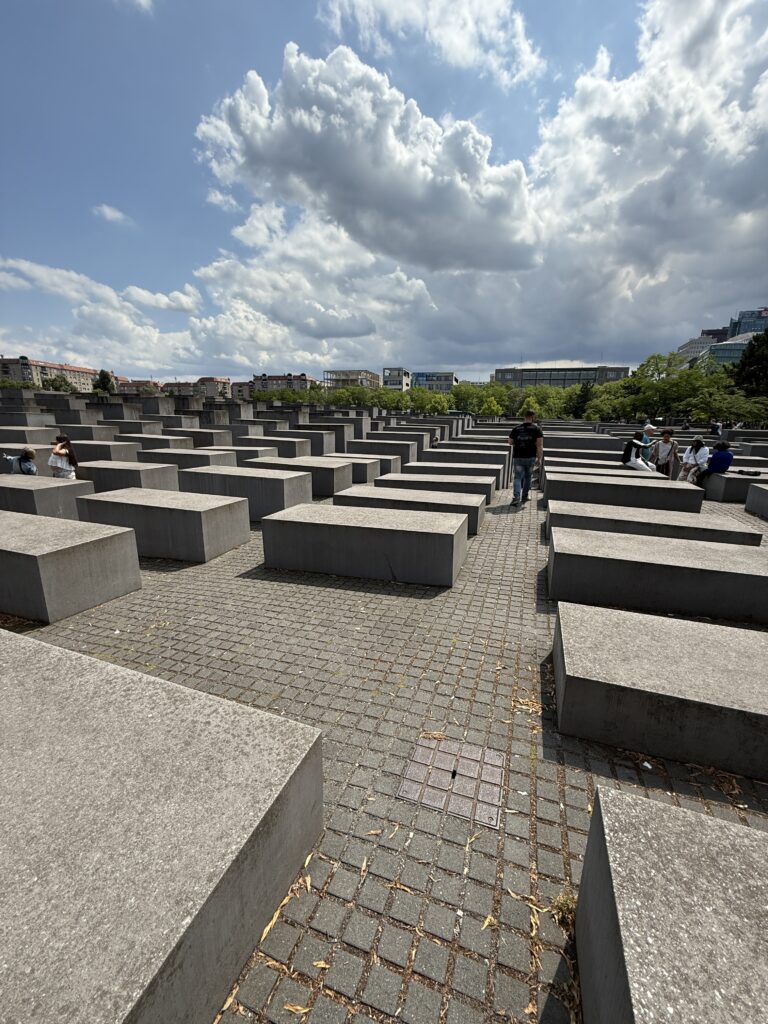
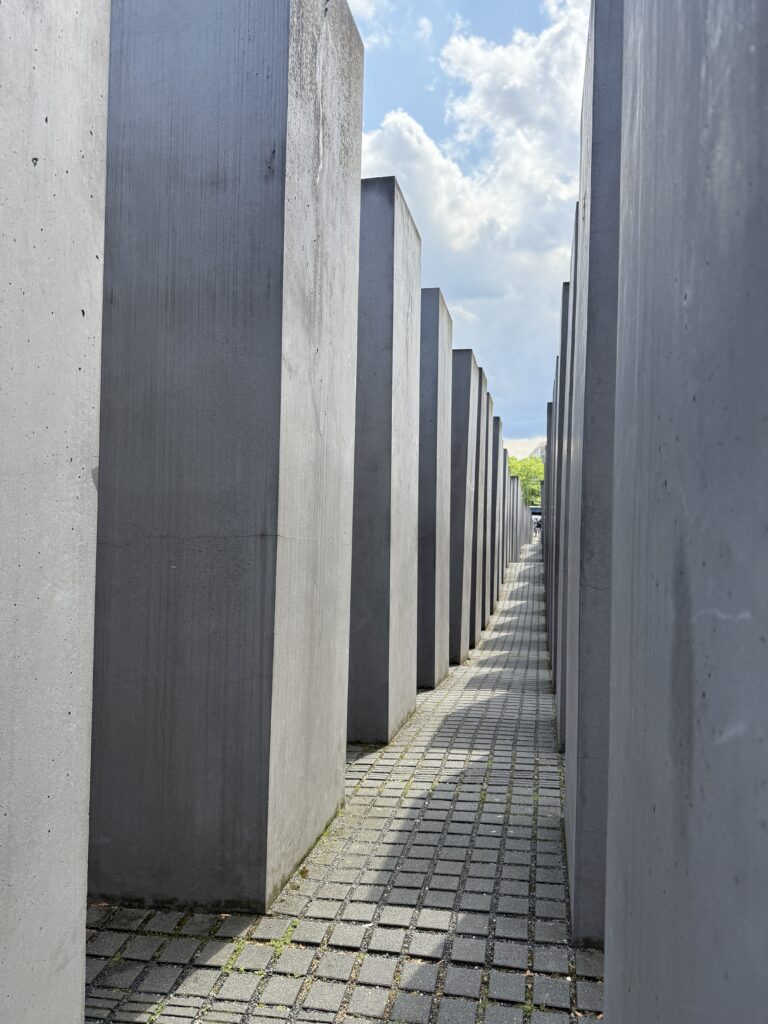
- Memorial to the Murdered Jews of Europe: Stark. Immersive. Unsettling. This forest of 2,711 concrete slabs or “stelae”, arranged in a grid pattern on a sloping field, seems to swallow sound and light. Walking through it, you feel disoriented – just a sliver of what millions endured, but unforgettable all the same.
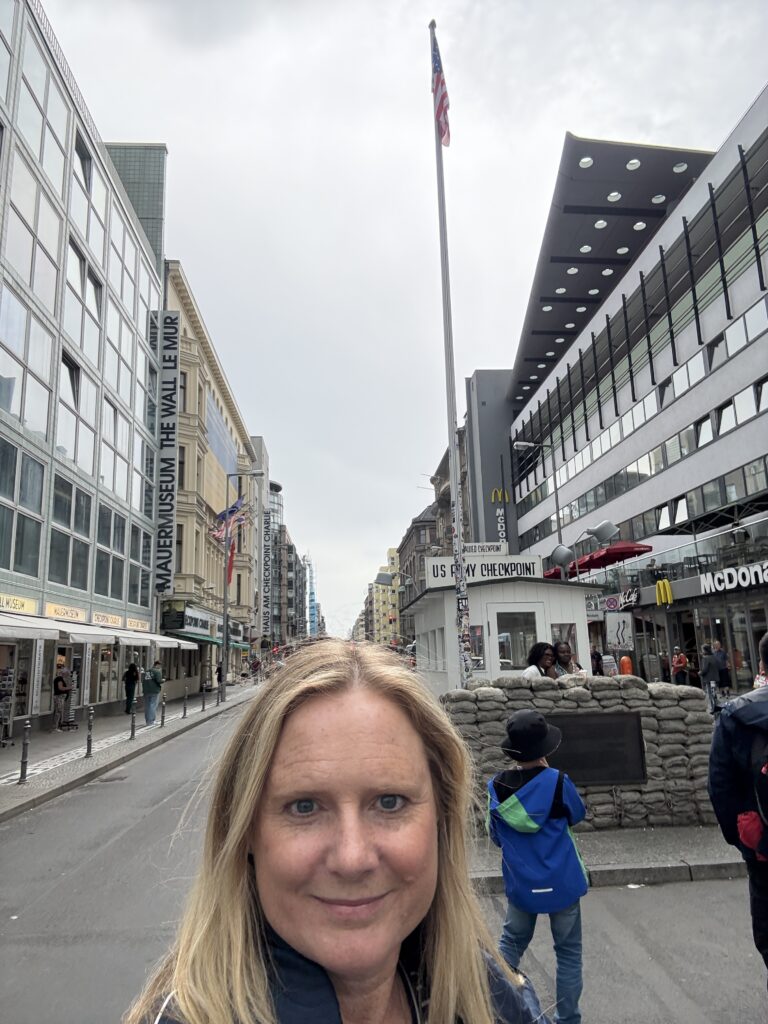
- Checkpoint Charlie: Once the best-known crossing point between East and West Berlin during the Cold War, it now stands as a powerful symbol of division – and of the courage it took to cross it.
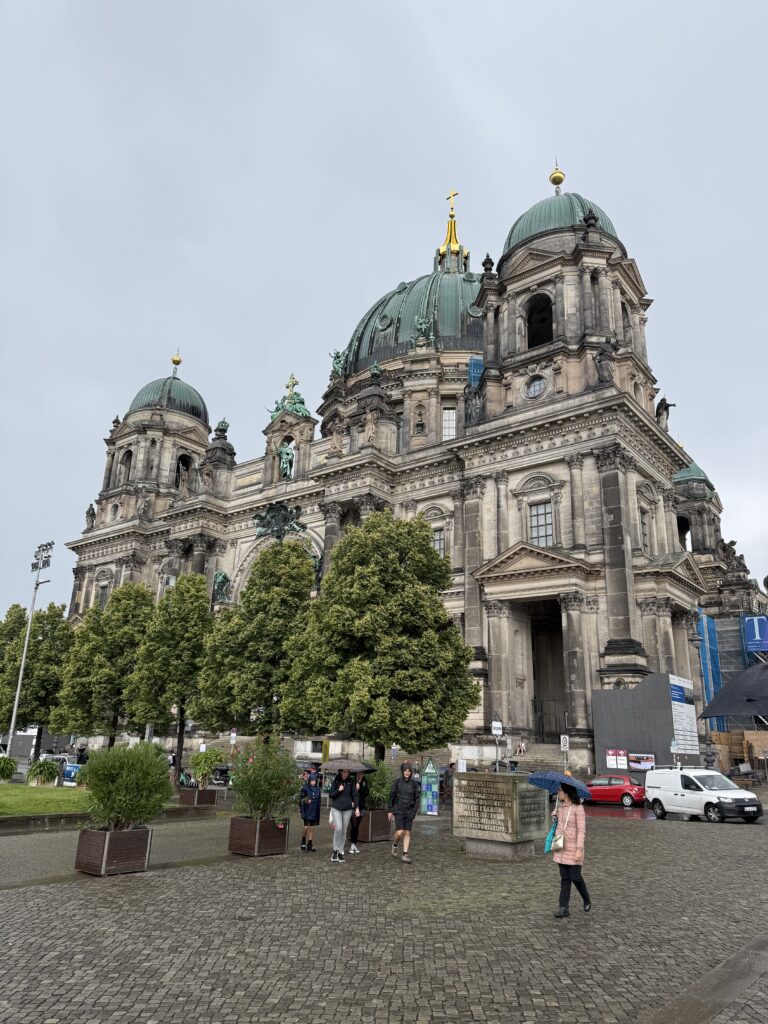
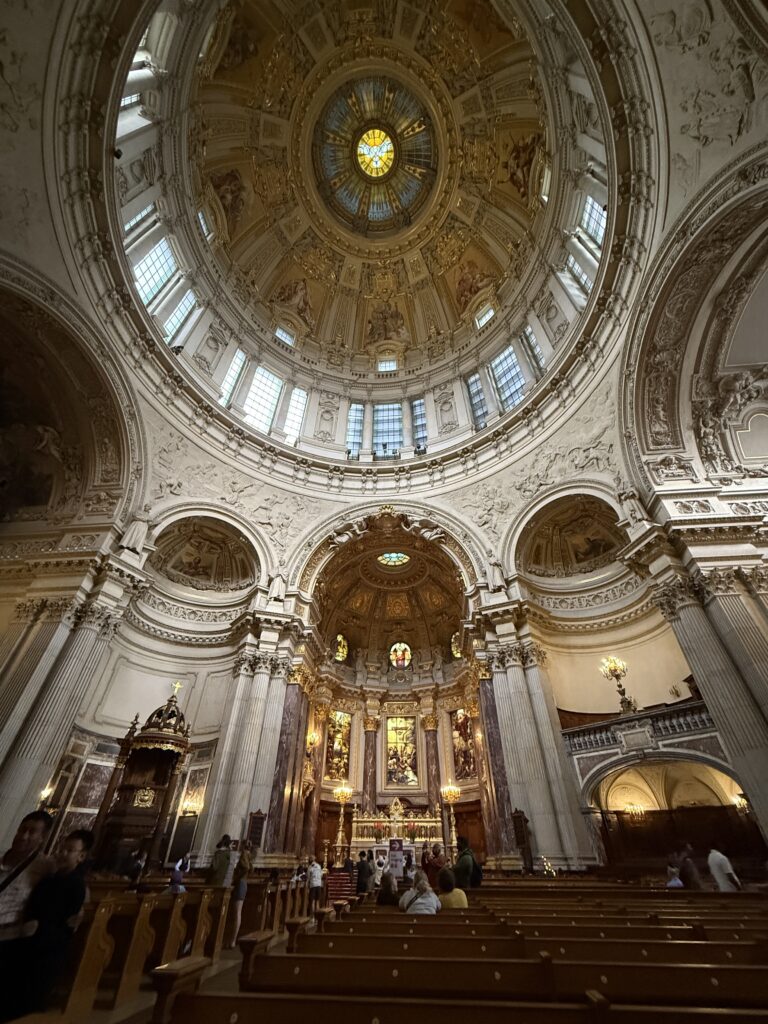
- Berlin Cathedral: Soaring ceilings, glittering mosaics, and a peaceful crypt – an architectural gem that feels more spiritual than religious.
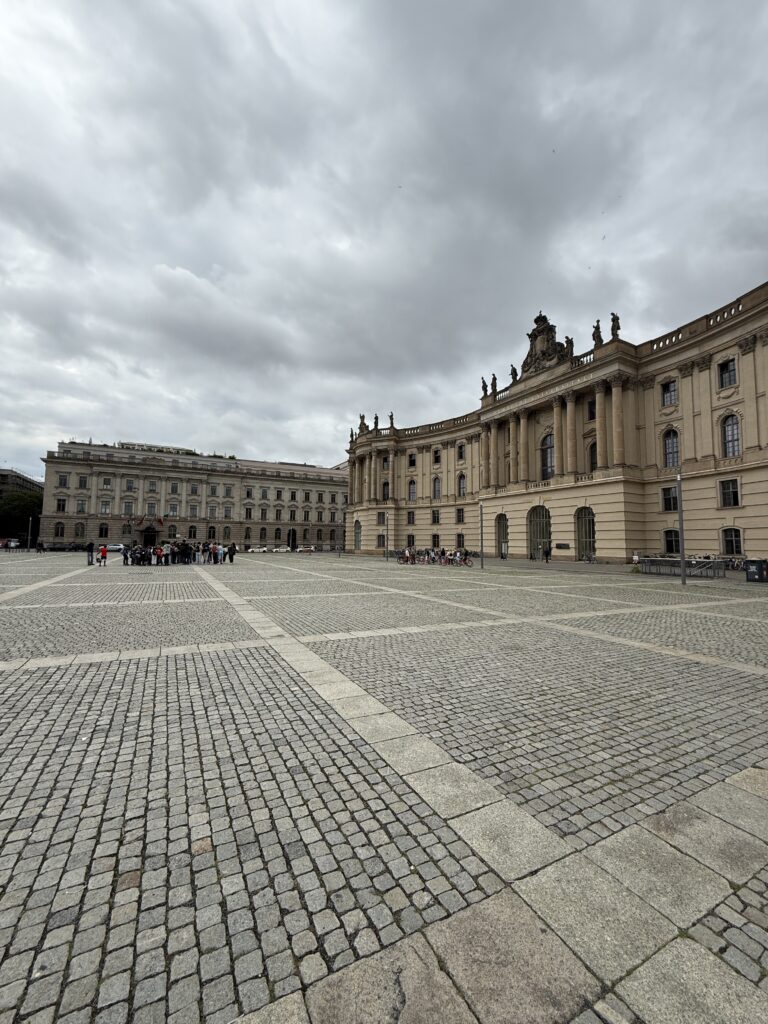
- Bebelplatz (Site of the Nazi Book Burning): A hauntingly subtle memorial lies beneath the square: rows of empty bookshelves viewed through glass in the ground, marking the place where over 20,000 books were burned in 1933 in a chilling act of censorship and control.
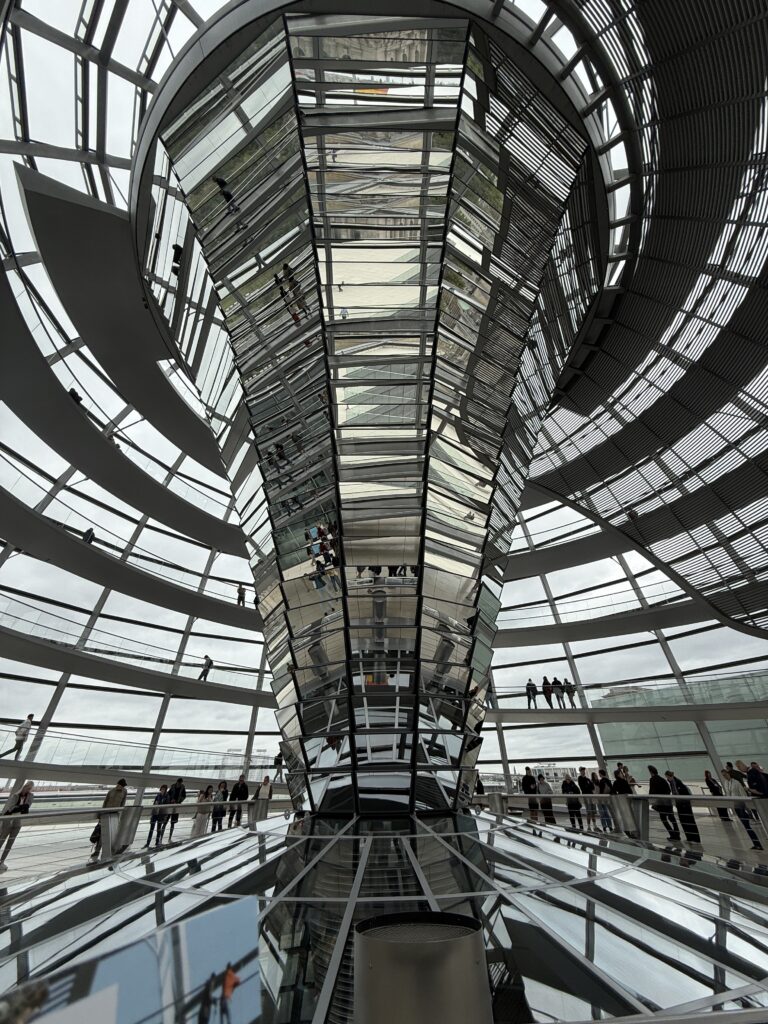
- Reichstag Dome: Touring this glass dome above Germany’s parliament was both symbolic and visually stunning. It represents transparency in government (both literally and figuratively) and offers sweeping views of the city’s evolving skyline.
- Topography of Terror: This outdoor and underground museum is situated on the former site of the SS headquarters. It’s a chilling record of how ordinary systems, including law, medicine, and education, were turned into tools of hate.
- Berlin Jewish Museum (Jüdisches Museum): It’s not just the exhibits, but the building itself – tilted walls, empty voids, and harsh angles – that convey loss, displacement, and fractured history.
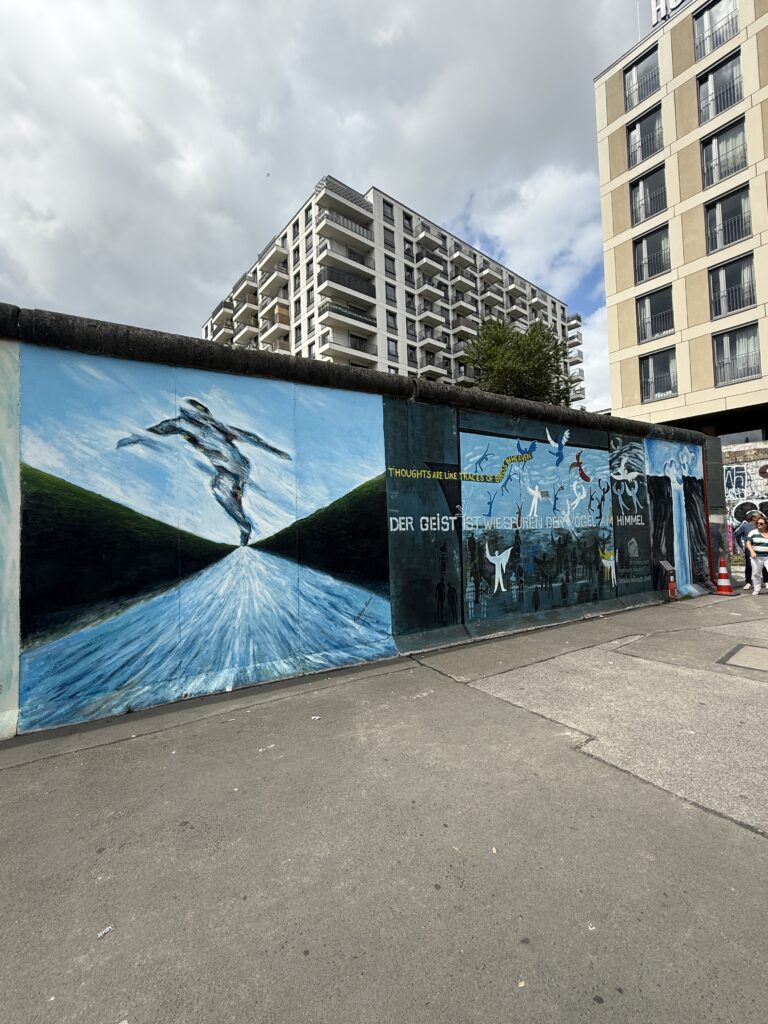
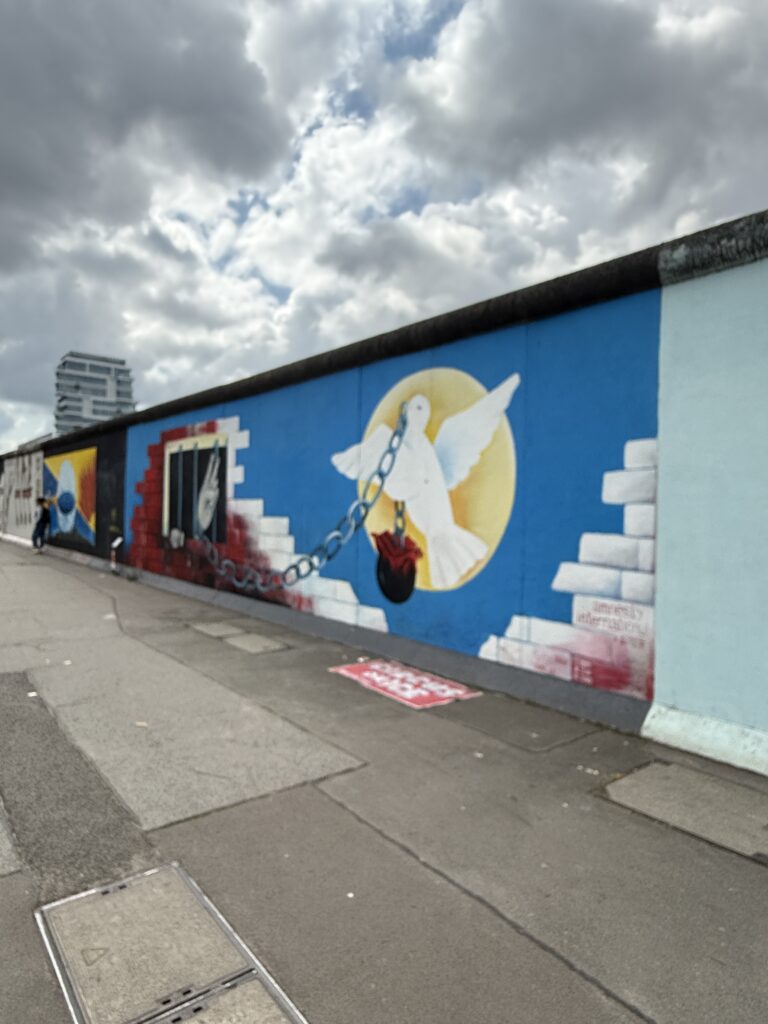
- East Side Gallery: A 1.3km stretch of the Berlin Wall, now turned open-air gallery, covered in murals that scream hope, rebellion, and resilience.
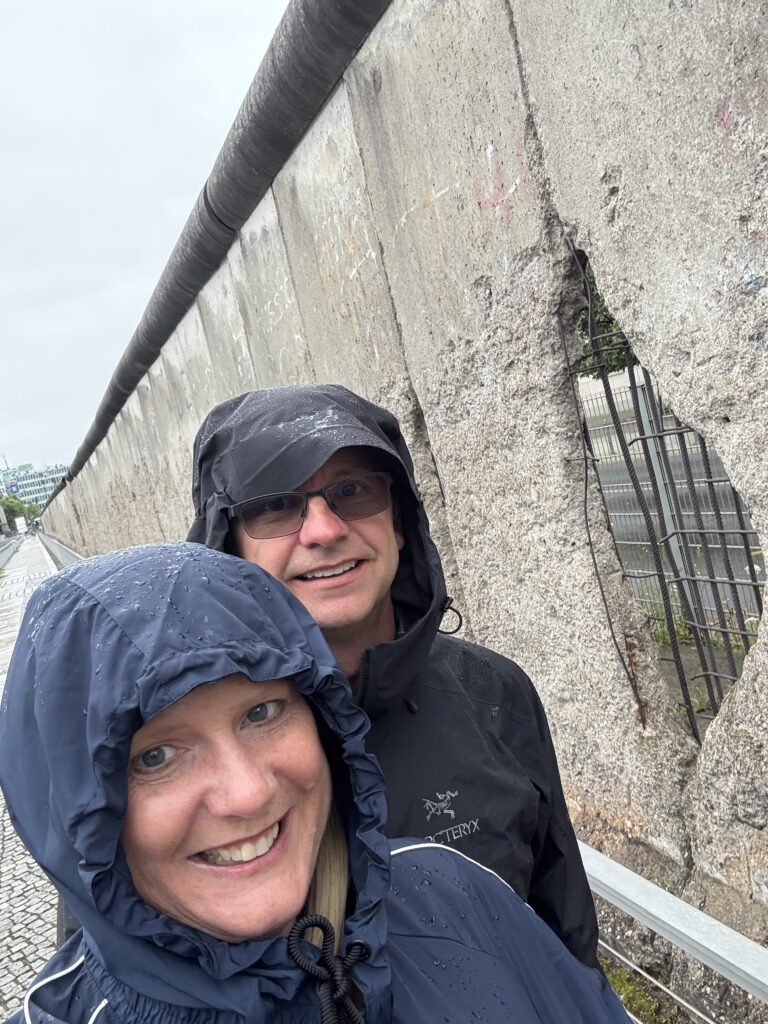
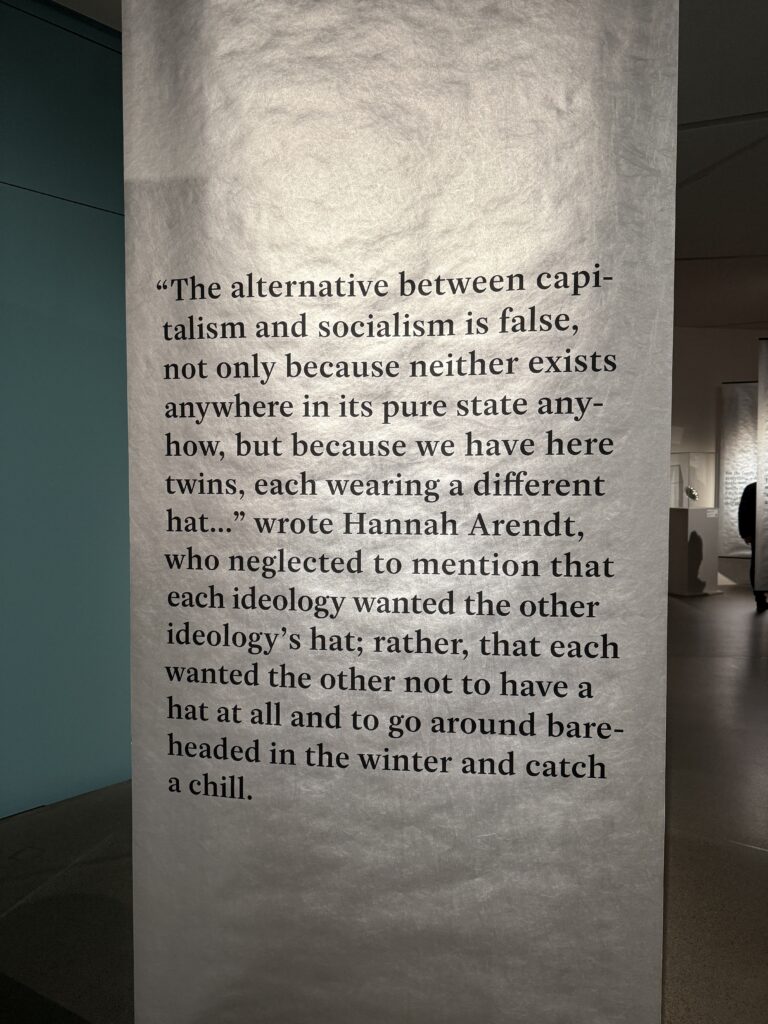
I visited various sites in Munich and Amsterdam related to the Nazi era and the Holocaust in 1997 with my mother, including the Dachau Concentration Camp and Anne Frank House. Combining these visits with what I learned in school and through my own reading, I thought I understood the horror of the Nazi era. But this visit brought new layers. Maybe it’s age, or perhaps it’s motherhood – but I felt it more deeply. I learned more about the systematic targeting of not only Jewish people but also Roma and Sinti people (gypsies), Poles, disabled individuals (then labeled “life unworthy of life”), political dissidents, LGBTQ+ individuals, and others. I better grasped how entire populations were manipulated – taught to believe they were fighting for a “better Germany.” It was sobering and necessary. And yet, Berlin is also full of life, energy, and rebirth. Art, music, movement. It pulses everywhere. So we learned as we departed our hotel at 3 am on our way back to Italy!
So while Kora was resting dockside back in Italy, we took a small break from the sea and dove deep into the past. It made us think, reflect, and remember.
And now, back to the water…..